Search results
 31-065
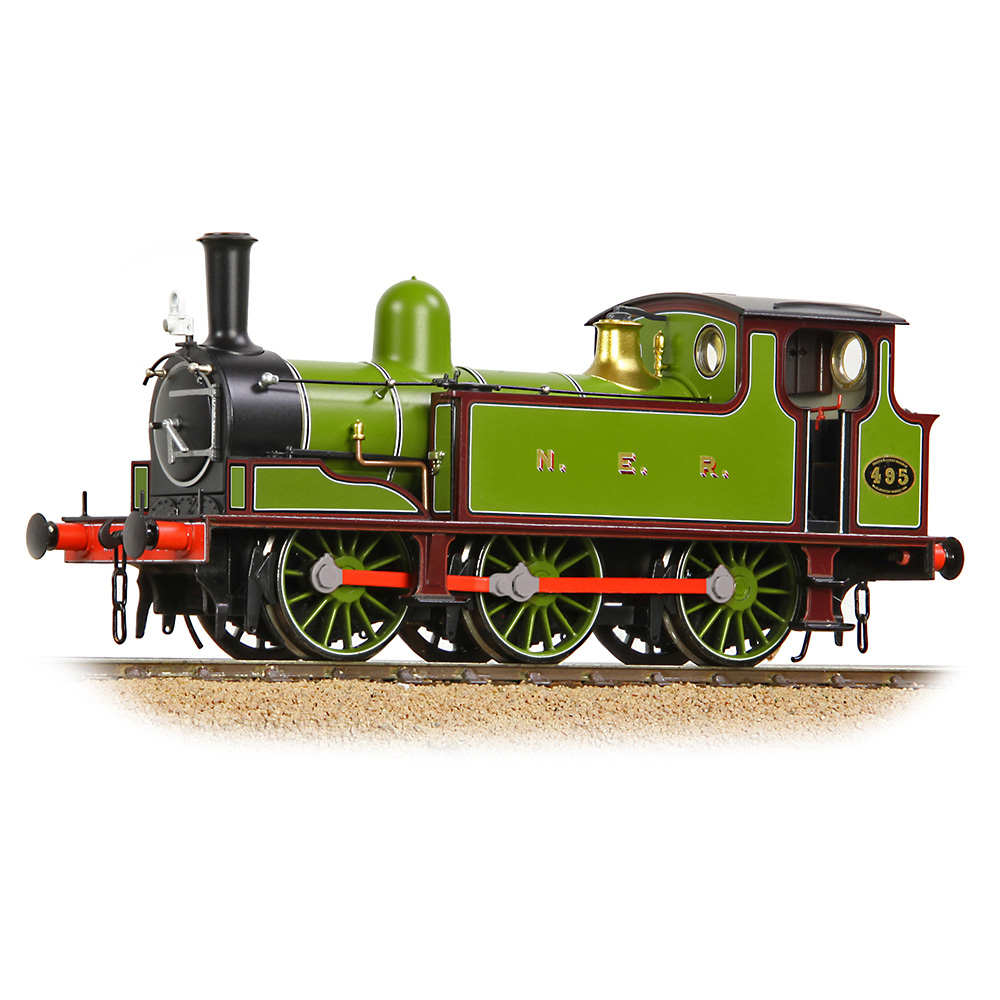
NER E Tank 495 NER Lined Green & Maroon
 'OO' Gauge
 Released: 27/05/26
 DCC Ready (Next18)
 Era 2
Era 2The NER E Class 0-6-0 Tank Locomotive, later classified as J71 by the London & North Eastern Railway (LNER), was designed by Thomas W. Worsdell for the North Eastern Railway and was intended to become the company’s standard design for shunting engines. T. W. Worsdell became the NER’s Locomotive Superintendent in 1885 and a year later, the first E Class tank entered traffic. Eventually totalling 120 locomotives, 60 were built under T. W. Worsdell’s tenure, followed by 60 more when his brother Wilson Worsdell took over as Locomotive Superintendent following Thomas’s retirement in 1890. Construction ceased in 1895 and three years later, Wilson introduced his own take on the design, the E1 Class, the first of which entered traffic in 1898.
Our Price:
£144.45
£144.45
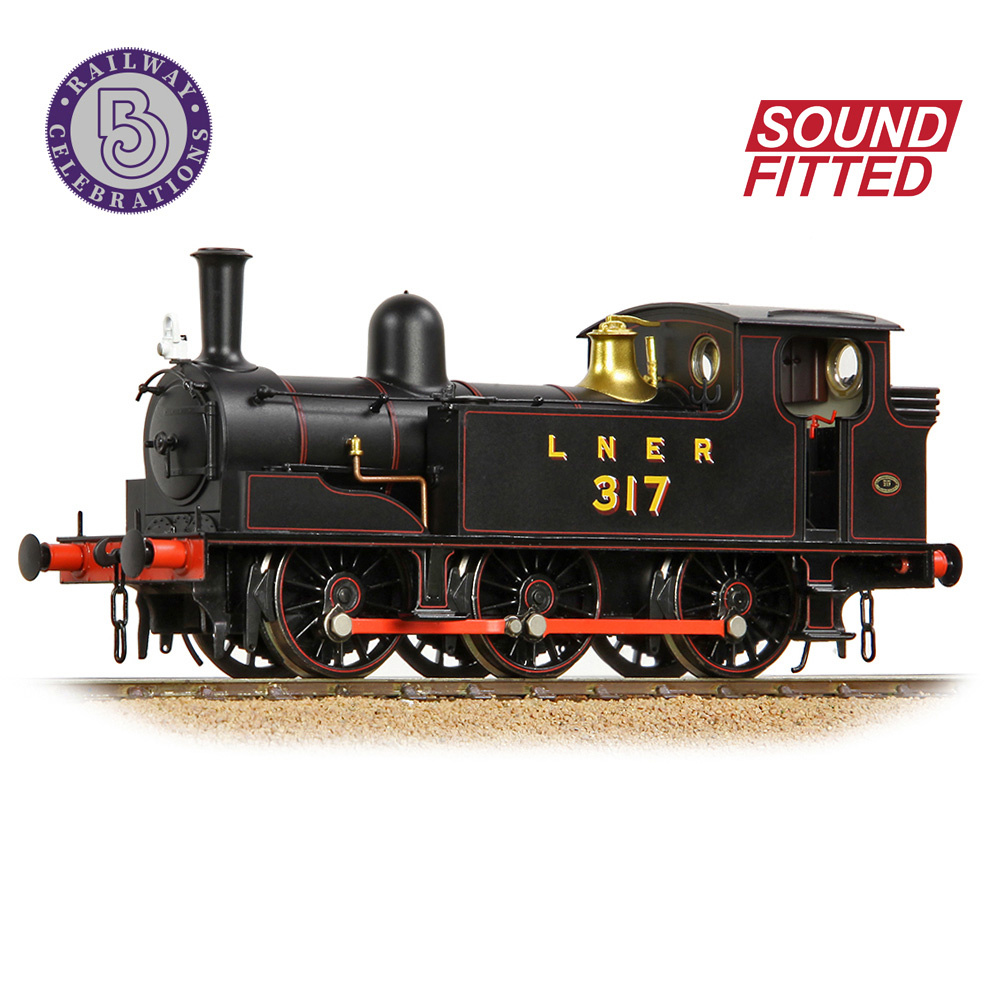
31-066SFNER E (J71) Tank 317 LNER Lined Black With DCC Sound
'OO' GaugeReleased: 27/05/26DCC FittedDCC SoundEra 3The NER E Class 0-6-0 Tank Locomotive, later classified as J71 by the London & North Eastern Railway (LNER), was designed by Thomas W. Worsdell for the North Eastern Railway and was intended to become the company’s standard design for shunting engines. T. W. Worsdell became the NER’s Locomotive Superintendent in 1885 and a year later, the first E Class tank entered traffic. Eventually totalling 120 locomotives, 60 were built under T. W. Worsdell’s tenure, followed by 60 more when his brother Wilson Worsdell took over as Locomotive Superintendent following Thomas’s retirement in 1890. Construction ceased in 1895
Our Price:
£229.45
£229.45
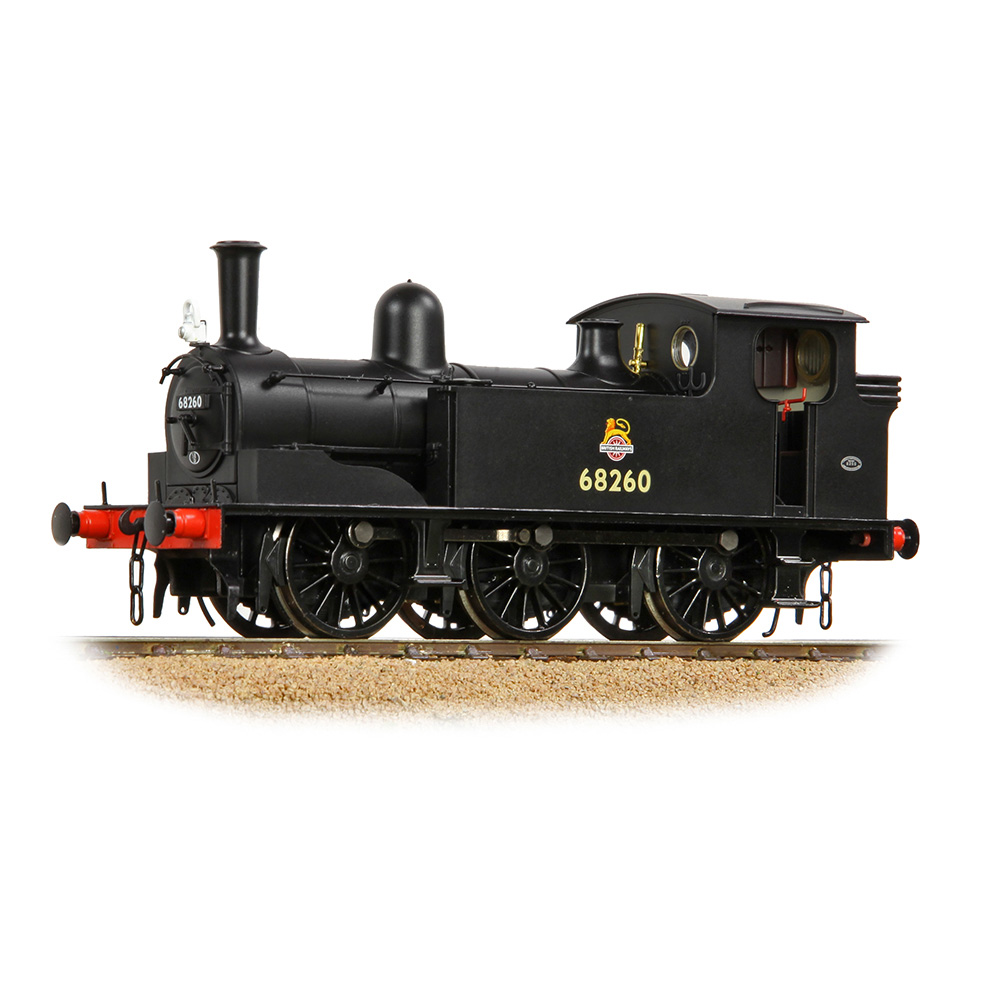
31-069NER E (J71) Tank 68260 BR Black (Early Emblem)
'OO' GaugeReleased: 27/05/26DCC Ready (Next18)Era 4The NER E Class 0-6-0 Tank Locomotive, later classified as J71 by the London & North Eastern Railway (LNER), was designed by Thomas W. Worsdell for the North Eastern Railway and was intended to become the company’s standard design for shunting engines. T. W. Worsdell became the NER’s Locomotive Superintendent in 1885 and a year later, the first E Class tank entered traffic. Eventually totalling 120 locomotives, 60 were built under T. W. Worsdell’s tenure, followed by 60 more when his brother Wilson Worsdell took over as Locomotive Superintendent following Thomas’s retirement in 1890. Construction ceased in 1895
Our Price:
£135.95
£135.95
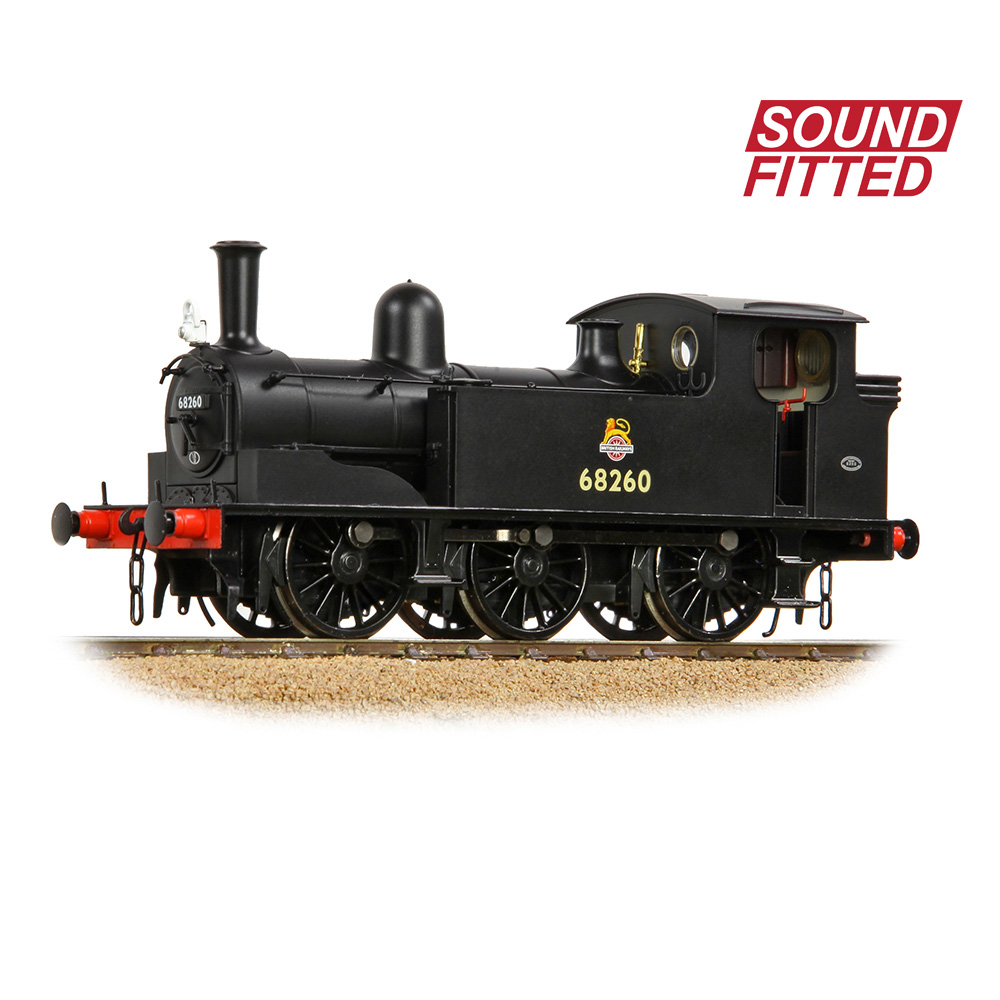
31-069SFNER E (J71) Tank 68260 BR Black (Early Emblem) With DCC Sound
'OO' GaugeReleased: 27/05/26DCC FittedDCC SoundEra 4The NER E Class 0-6-0 Tank Locomotive, later classified as J71 by the London & North Eastern Railway (LNER), was designed by Thomas W. Worsdell for the North Eastern Railway and was intended to become the company’s standard design for shunting engines. T. W. Worsdell became the NER’s Locomotive Superintendent in 1885 and a year later, the first E Class tank entered traffic. Eventually totalling 120 locomotives, 60 were built under T. W. Worsdell’s tenure, followed by 60 more when his brother Wilson Worsdell took over as Locomotive Superintendent following Thomas’s retirement in 1890. Construction ceased in 1895
Our Price:
£229.45
£229.45
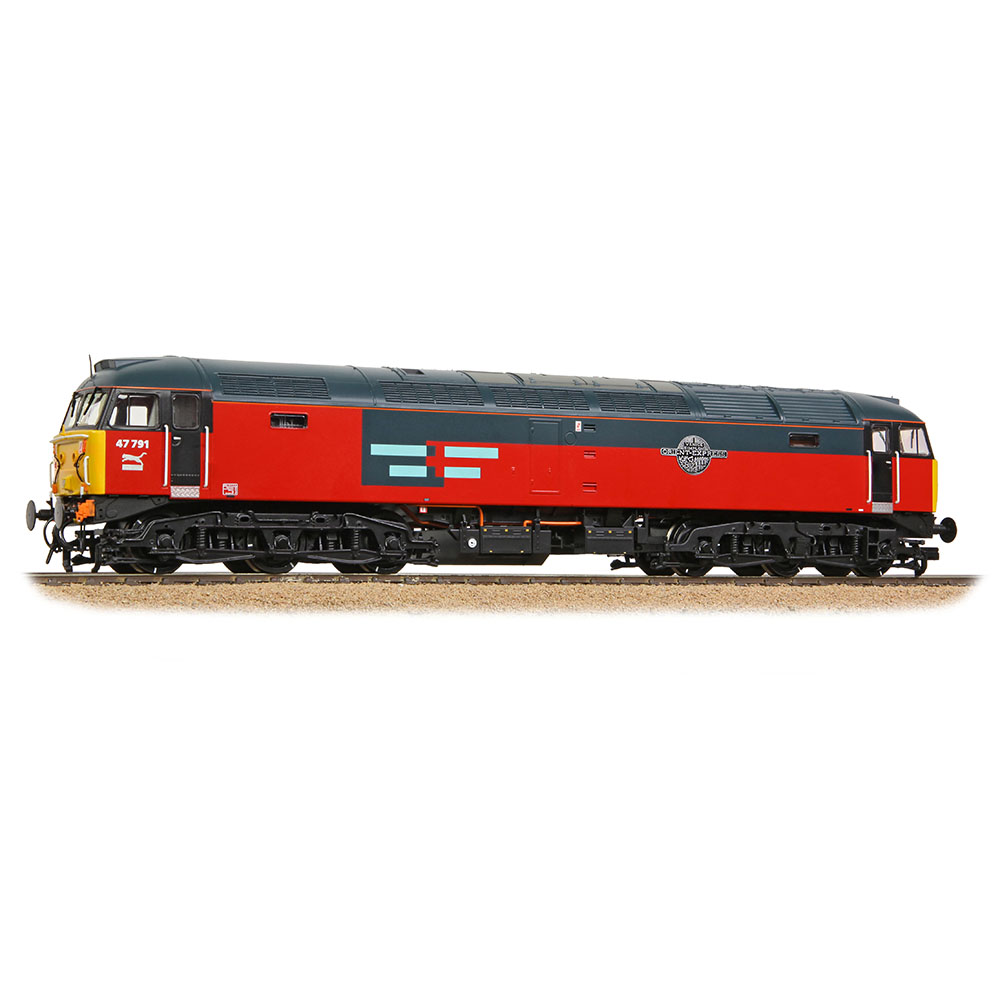
35-429Class 47/7 47791 'Venice Simplon Orient Express' Rail Express Systems
'OO' GaugeReleased: 27/05/26DCC Ready (PluX22)Era 8Towards the end of the 1950s, British Railways began planning a new fleet of diesel locomotives and after investigating several prototypes, BR decided to place an order with Brush Engineering for 20 locomotives during February 1961. The resulting design became the iconic Brush Type 4 Diesel locomotive, a practical, versatile design with a very distinctive cab. Powered with a Sulzer engine and initially rated at 2,750hp, the locomotive could achieve a top speed of 75mph with a tractive effort of 55,000lb. Building commenced in January 1962 and the first locomotive No. D1500 appeared in late September of the same year with test runs on the London Midland Region and Western Region. The design was a success and BR went on to order a total of 512 with continuous production through to early 1967, forming the largest single class of main-line diesel locomotives in the UK.
Our Price:
£203.95
£203.95
39-429SFClass 47/7 47791 'Venice Simplon Orient Express' Rail Express Systems With DCC Sound
'OO' GaugeReleased: 27/05/26DCC FittedDCC SoundEra 8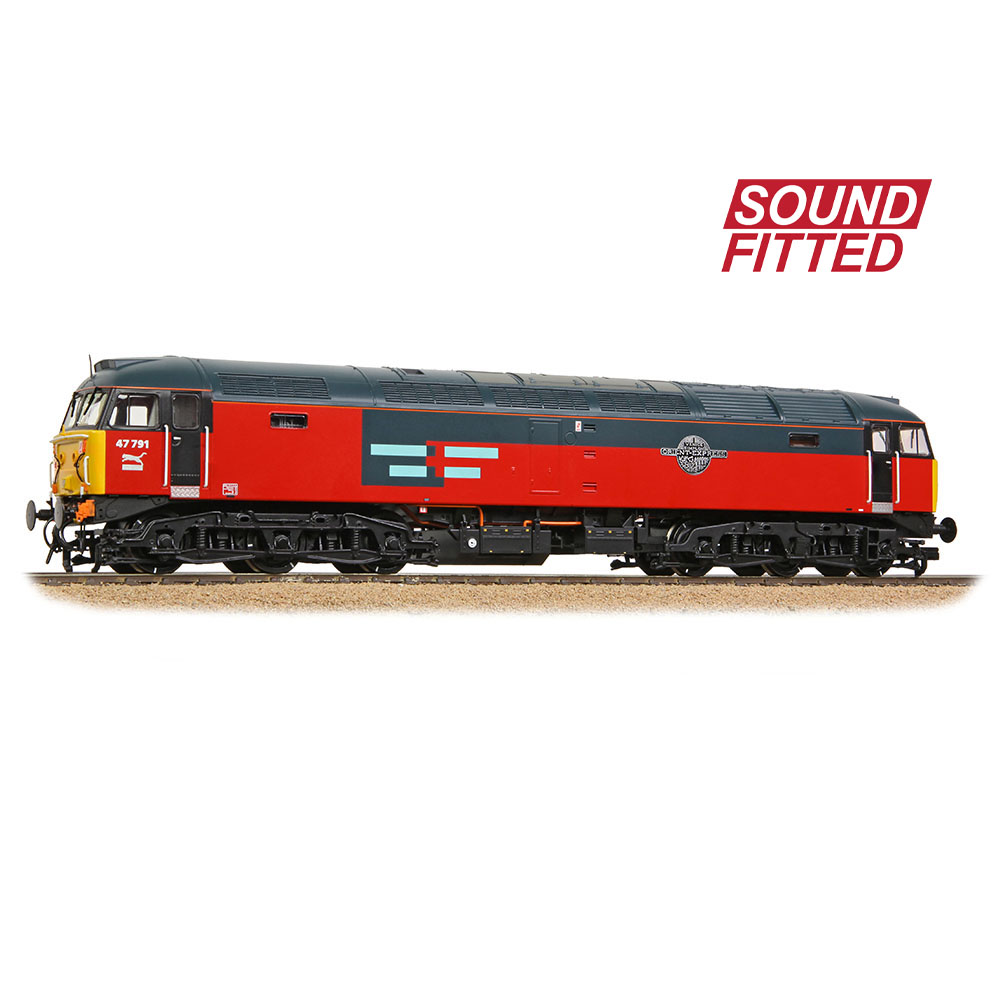
Our Price:
£301.70
£301.70
35-416Class 47/0 47280 BR Railfreight Grey
'OO' GaugeReleased: 22/05/26DCC Ready (PluX22)Era 8Towards the end of the 1950s, British Railways began planning a new fleet of diesel locomotives and after investigating several prototypes, BR decided to place an order with Brush Engineering for 20 locomotives during February 1961. The resulting design became the iconic Brush Type 4 Diesel locomotive, a practical, versatile design with a very distinctive cab. Powered with a Sulzer engine and initially rated at 2,750hp, the locomotive could achieve a top speed of 75mph with a tractive effort of 55,000lb. Building commenced in January 1962 and the first locomotive No. D1500 appeared in late September of the same year with test runs on the London Midland Region and Western Region. The design was a success and BR went on to order a total of 512 with continuous production through to early 1967, forming the largest single class of main-line diesel locomotives in the UK.
Our Price:
£203.95
£203.95
35-416SFClass 47/0 47280 BR Railfreight Grey With DCC Sound
'OO' GaugeReleased: 22/05/26DCC FittedDCC SoundEra 8Towards the end of the 1950s, British Railways began planning a new fleet of diesel locomotives and after investigating several prototypes, BR decided to place an order with Brush Engineering for 20 locomotives during February 1961. The resulting design became the iconic Brush Type 4 Diesel locomotive, a practical, versatile design with a very distinctive cab. Powered with a Sulzer engine and initially rated at 2,750hp, the locomotive could achieve a top speed of 75mph with a tractive effort of 55,000lb. Building commenced in January 1962 and the first locomotive No. D1500 appeared in late September of the same year with test runs on the London Midland Region and Western Region. The design was a success and BR went on to order a total of 512 with continuous production through to early 1967, forming the largest single class of main-line diesel locomotives in the UK.
Our Price:
£301.70
£301.70
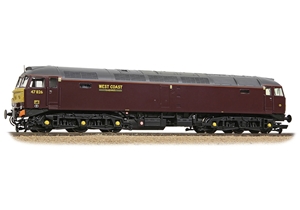
35-431Class 47/4 47826 WCRC Maroon
'OO' GaugeReleased: 22/05/26DCC Ready (PluX22)Era 11Towards the end of the 1950s, British Railways began planning a new fleet of diesel locomotives and after investigating several prototypes, BR decided to place an order with Brush Engineering for 20 locomotives during February 1961. The resulting design became the iconic Brush Type 4 Diesel locomotive, a practical, versatile design with a very distinctive cab. Powered with a Sulzer engine and initially rated at 2,750hp, the locomotive could achieve a top speed of 75mph with a tractive effort of 55,000lb. Building commenced in January 1962 and the first locomotive No. D1500 appeared in late September of the same year with test runs on the London Midland Region and Western Region. The design was a success and BR went on to order a total of 512 with continuous production through to early 1967, forming the largest single class of main-line diesel locomotives in the UK.
Our Price:
£203.95
£203.95
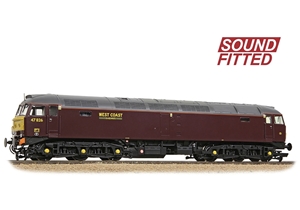
35-431SFClass 47/4 47826 WCRC Maroon With DCC Sound
'OO' GaugeReleased: 22/05/26DCC FittedDCC SoundEra 11Towards the end of the 1950s, British Railways began planning a new fleet of diesel locomotives and after investigating several prototypes, BR decided to place an order with Brush Engineering for 20 locomotives during February 1961. The resulting design became the iconic Brush Type 4 Diesel locomotive, a practical, versatile design with a very distinctive cab. Powered with a Sulzer engine and initially rated at 2,750hp, the locomotive could achieve a top speed of 75mph with a tractive effort of 55,000lb. Building commenced in January 1962 and the first locomotive No. D1500 appeared in late September of the same year with test runs on the London Midland Region and Western Region. The design was a success and BR went on to order a total of 512 with continuous production through to early 1967, forming the largest single class of main-line diesel locomotives in the UK.
Our Price:
£301.70
£301.70
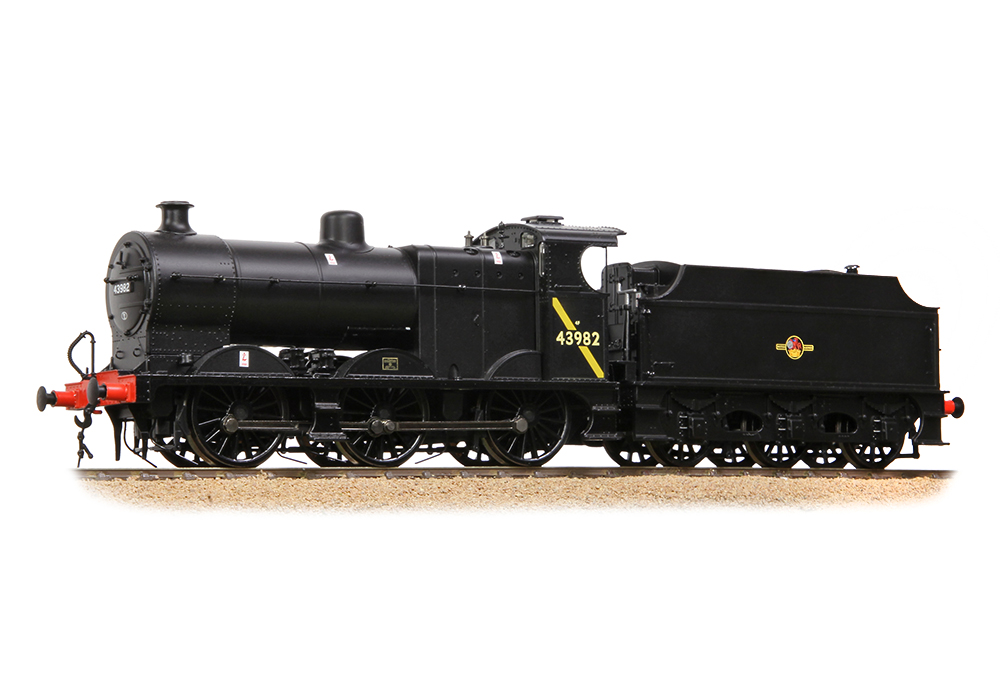
31-884AMR 3835 (4F) with Fowler Tender 43982 BR Black (Late Crest)
'OO' GaugeReleased: 22/05/26DCC Ready (21 Pin)Era 5Designed by Henry Fowler for the Midland Railway (MR), the 3835 Class was first introduced in 1911. Construction of these 0-6-0 freight locomotives was shared between the Midland Railway’s Derby Works and outside contractor Armstrong Whitworth, with 197 examples built by 1922; 192 for the Midland Railway and five for the Somerset and Dorset Joint Railway (S&DJR).
After the Grouping in 1923, the London Midland and Scottish Railway (LMS) inherited all 192 locomotives from the MR (and later the five S&DJR examples when it absorbed that company in 1930) and gave the locos the designation Class 4F. The LMS commenced construction of further 4Fs, much to the same design as the 3835 Class, although the LMS-built locos were left hand drive whereas the original Midland machines were right hand drive.
Our Price:
£144.45
£144.45
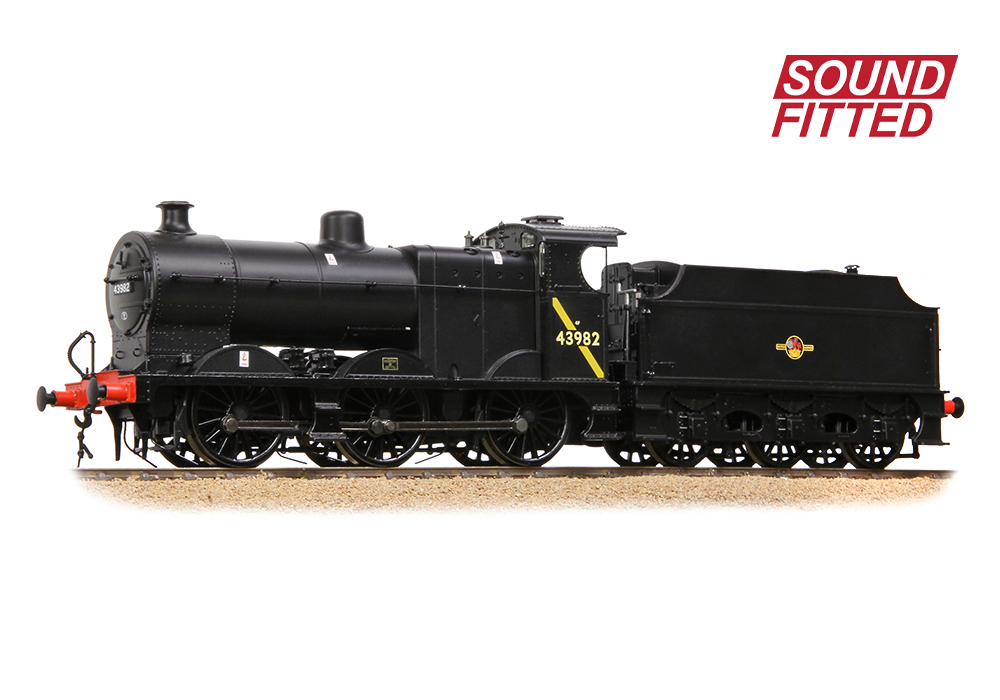
31-884ASFMR 3835 (4F) with Fowler Tender 43982 BR Black (Late Crest) With DCC Sound
'OO' GaugeReleased: 22/05/26DCC FittedDCC SoundEra 5Designed by Henry Fowler for the Midland Railway (MR), the 3835 Class was first introduced in 1911. Construction of these 0-6-0 freight locomotives was shared between the Midland Railway’s Derby Works and outside contractor Armstrong Whitworth, with 197 examples built by 1922; 192 for the Midland Railway and five for the Somerset and Dorset Joint Railway (S&DJR).
After the Grouping in 1923, the London Midland and Scottish Railway (LMS) inherited all 192 locomotives from the MR (and later the five S&DJR examples when it absorbed that company in 1930) and gave the locos the designation Class 4F. The LMS commenced construction of further 4Fs, much to the same design as the 3835 Class, although the LMS-built locos were left hand drive whereas the original Midland machines were right hand drive.
Our Price:
£237.95
£237.95
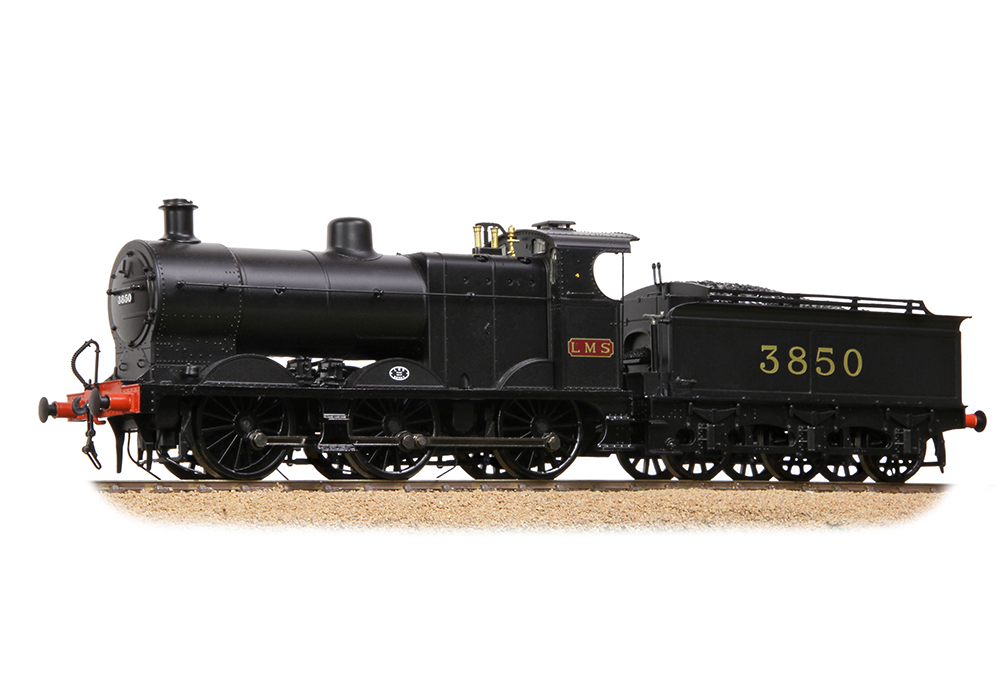
31-885MR 3835 (4F) with Johnson-Deeley Tender 3850 LMS Black (MR Numerals)
'OO' GaugeReleased: 22/05/26DCC Ready (21 Pin)Era 3he LMS 4F was seen as the ultimate development of the humble 0-6-0 tender locomotive, and the Bachmann Branchline model is a faithful OO Scale replica of this iconic type. The 4F was borne by the Midland Railway (MR) and this Branchline model depicts a locomotive in service with the MR’s predecessors, the London, Midland & Scottish Railway (LMS). Coupled to a Johnson-Deeley Tender which is adorned with large MR-style numbers, the only indicator of the loco’s new owners is the small LMS lettering on the cabside.
Our Price:
£144.45
£144.45
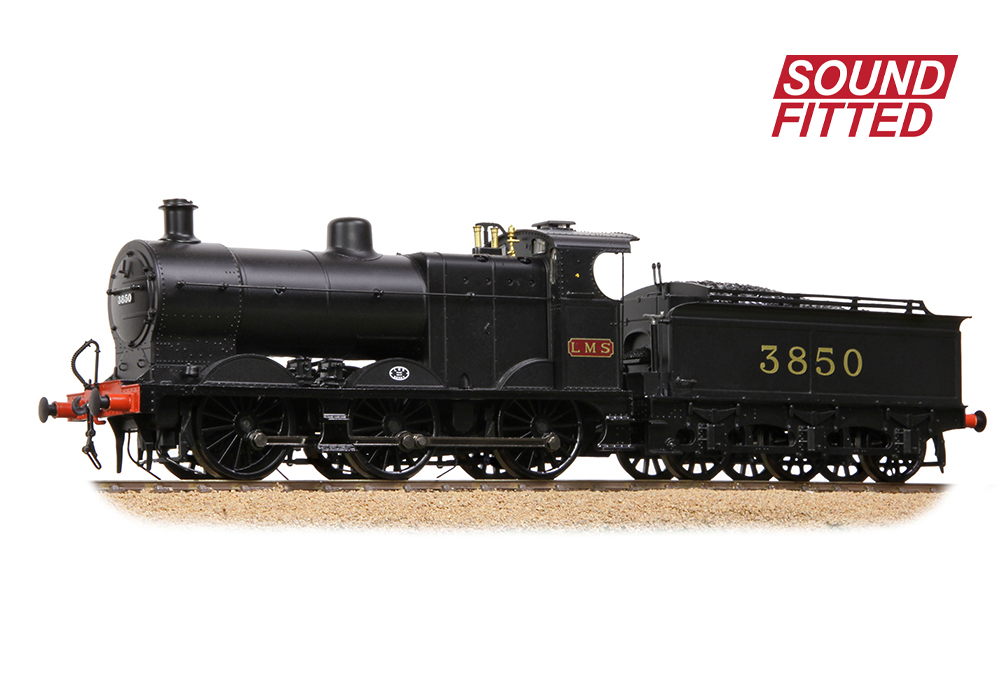
31-885SFMR 3835 (4F) with Johnson-Deeley Tender 3850 LMS Black (MR Numerals) With DCC Sound
'OO' GaugeReleased: 22/05/26DCC FittedDCC SoundEra 3he LMS 4F was seen as the ultimate development of the humble 0-6-0 tender locomotive, and the Bachmann Branchline model is a faithful OO Scale replica of this iconic type. The 4F was borne by the Midland Railway (MR) and this Branchline model depicts a locomotive in service with the MR’s predecessors, the London, Midland & Scottish Railway (LMS). Coupled to a Johnson-Deeley Tender which is adorned with large MR-style numbers, the only indicator of the loco’s new owners is the small LMS lettering on the cabside.
Our Price:
£237.95
£237.95
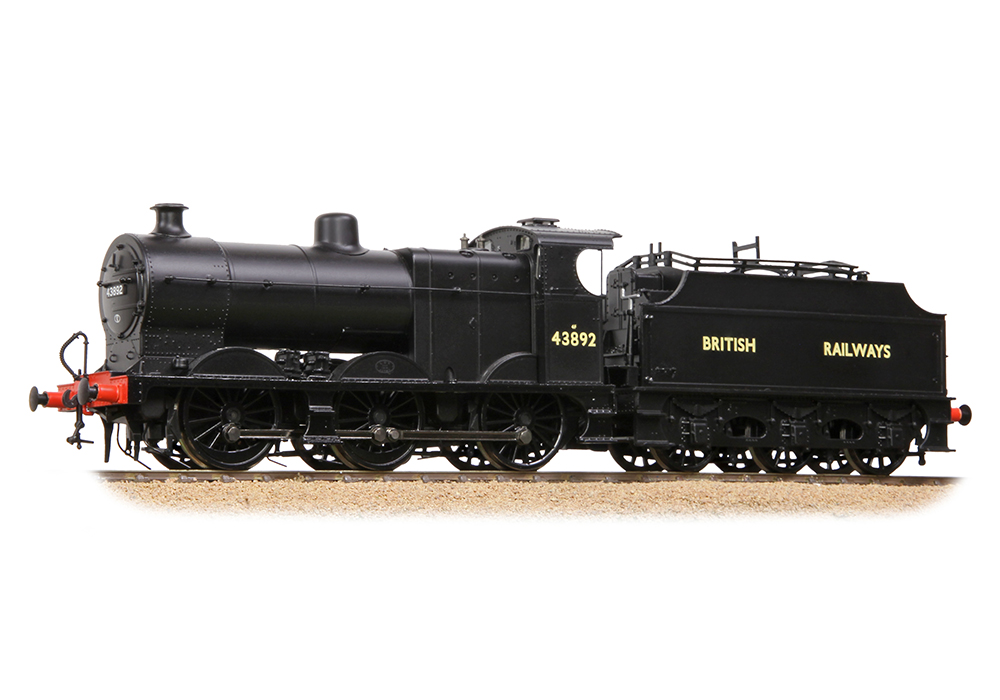
31-886MR 3835 (4F) with Fowler Tender 43892 BR Black (British Railways)
'OO' GaugeReleased: 22/05/26DCC Ready (21 Pin)Era 4The LMS 4F was seen as the ultimate development of the humble 0-6-0 tender locomotive, and the Bachmann Branchline model is a faithful OO Scale replica of this iconic type. First borne by the Midland Railway (MR) in 1911, the 4Fs remained in traffic until the final days of BR steam but we’re depicting No. 43892 at the start of its BR career with British Railways wording on its Fowler tender, as seen soon after BR was formed in 1948.
Our Price:
£144.45
£144.45
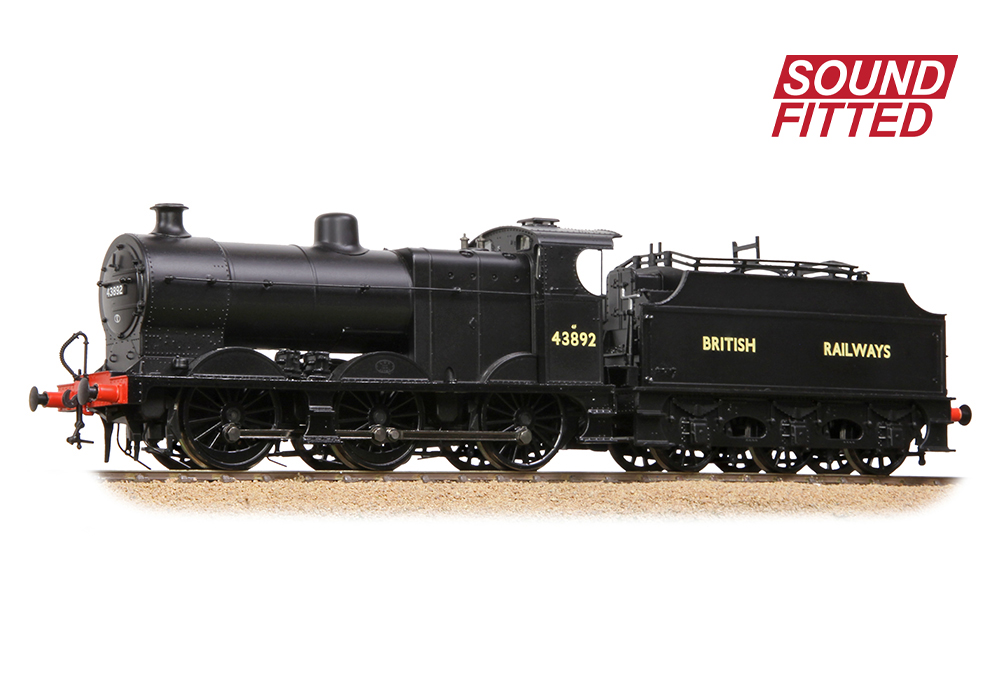
31-886SFMR 3835 (4F) with Fowler Tender 43892 BR Black (British Railways) With DCC Sound
'OO' GaugeReleased: 22/05/26DCC FittedDCC SoundEra 4The LMS 4F was seen as the ultimate development of the humble 0-6-0 tender locomotive, and the Bachmann Branchline model is a faithful OO Scale replica of this iconic type. First borne by the Midland Railway (MR) in 1911, the 4Fs remained in traffic until the final days of BR steam but we’re depicting No. 43892 at the start of its BR career with British Railways wording on its Fowler tender, as seen soon after BR was formed in 1948.
Our Price:
£237.95
£237.95
 960001
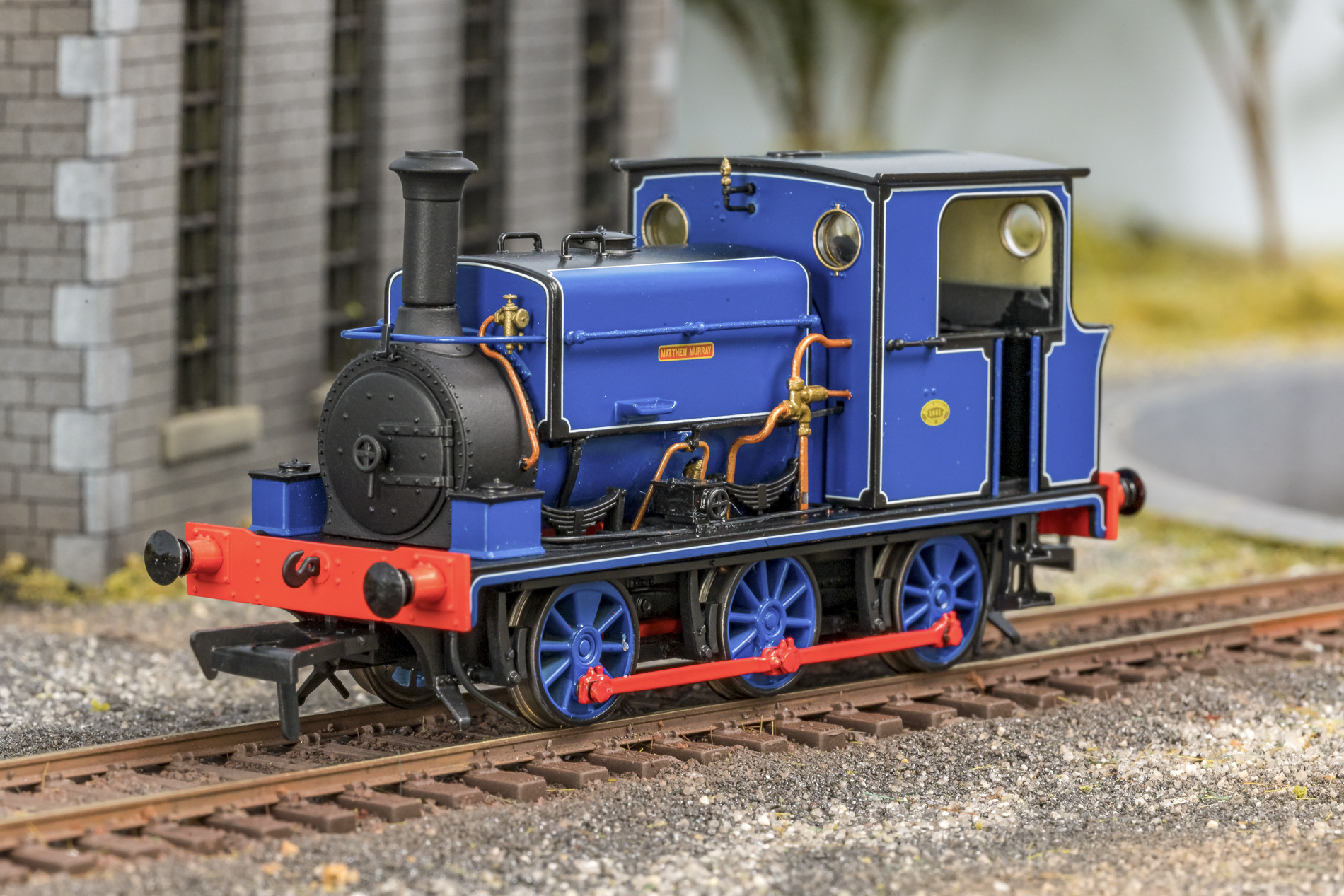
MANNING WARDLE L CLASS 'MATTHEW MURRAY'
'OO' GaugeReleased: 19/05/26Era 2THIS LOCO REQUIRES AN E24 DCC DECODER.
Our Price:
£127.45
£127.45
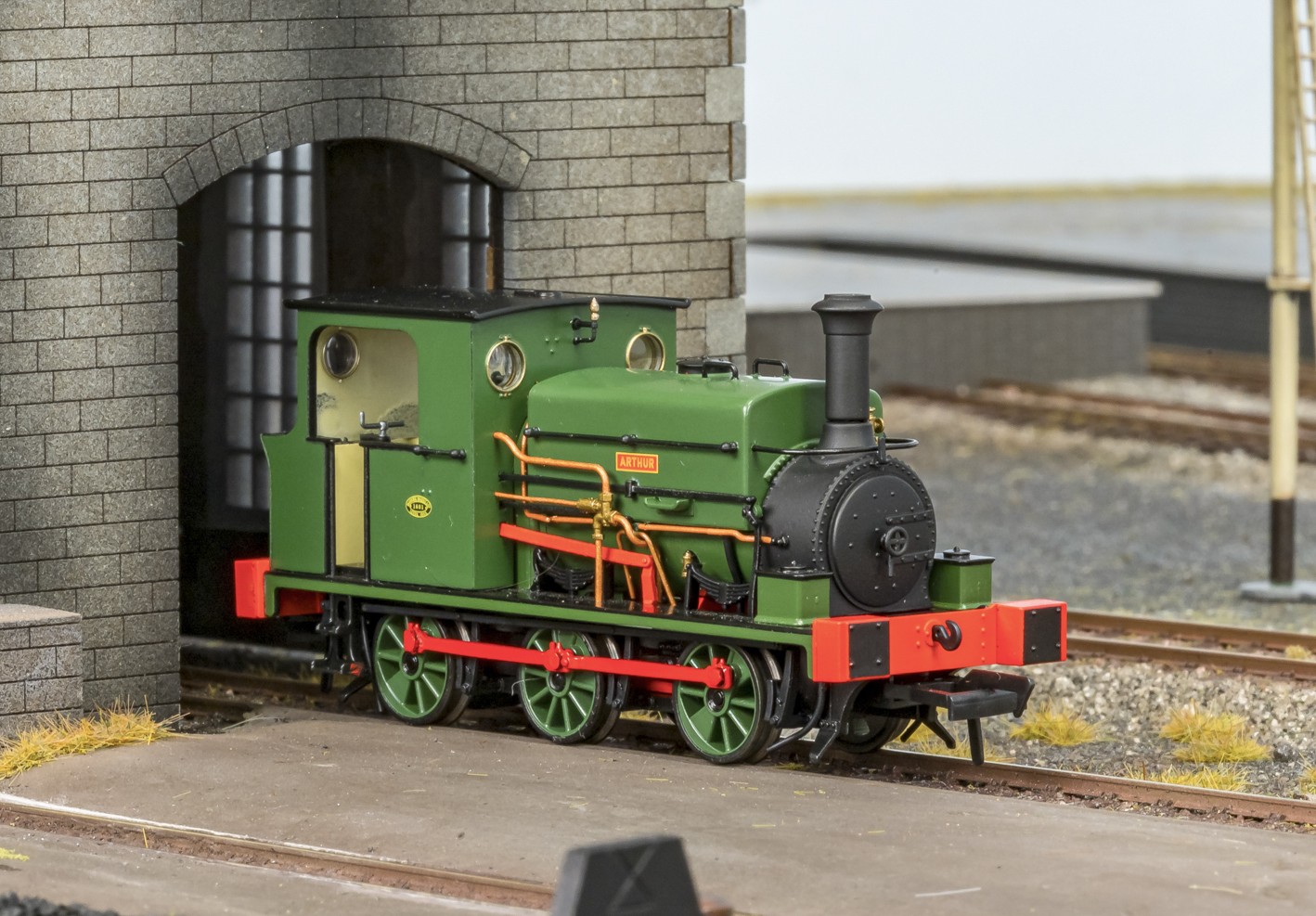
960002MANNING WARDLE L CLASS 'ARTHUR'
'OO' GaugeReleased: 19/05/26Era 2THIS LOCO REQUIRES AN E24 DCC DECODER.
Our Price:
£127.45
£127.45
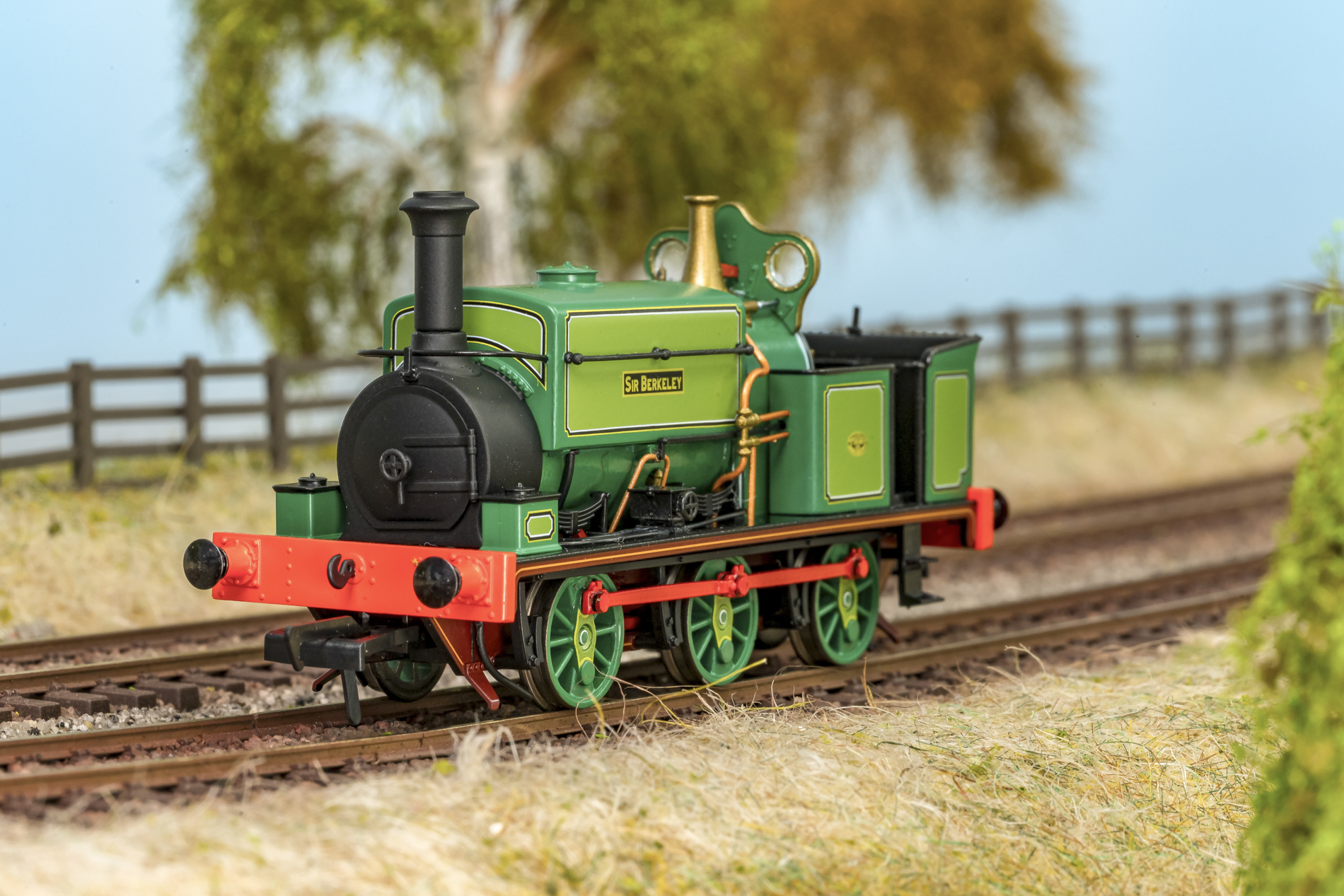
960003MANNING WARDLE L CLASS 'SIR BERKELEY' (AS PRESERVED)
'OO' GaugeReleased: 19/05/26Era 2THIS LOCO REQUIRES AN E24 DCC DECODER.
Our Price:
£127.45
£127.45
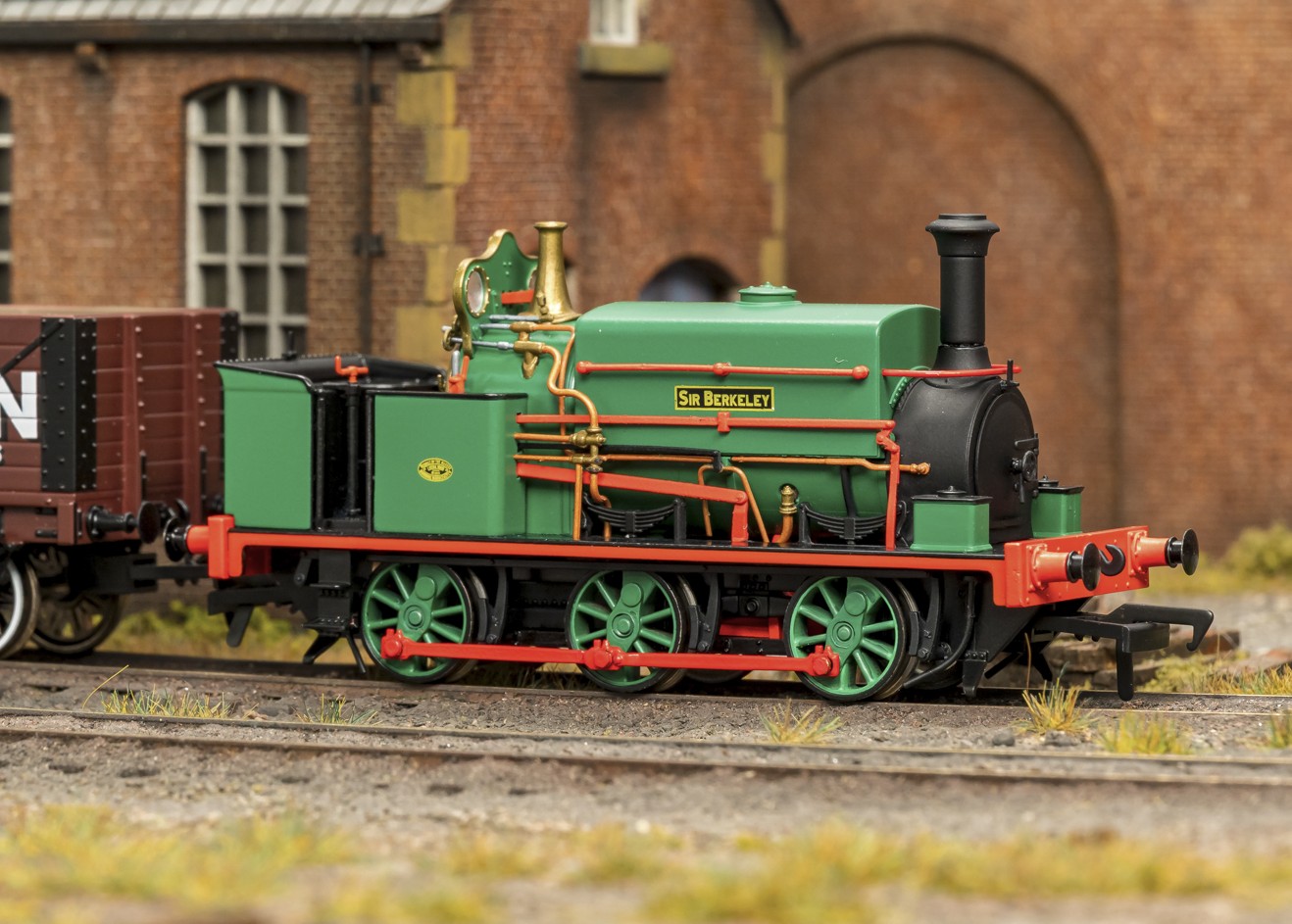
960004MANNING WARDLE L CLASS 'SIR BERKELEY' (CRANFORD CONDITION)
'OO' GaugeReleased: 19/05/26Era 2THIS LOCO REQUIRES AN E24 DCC DECODER.
Our Price:
£127.45
£127.45